Sayreville Locksmith Service Team
Local locksmith team
Jul 10, 2026 11 min read
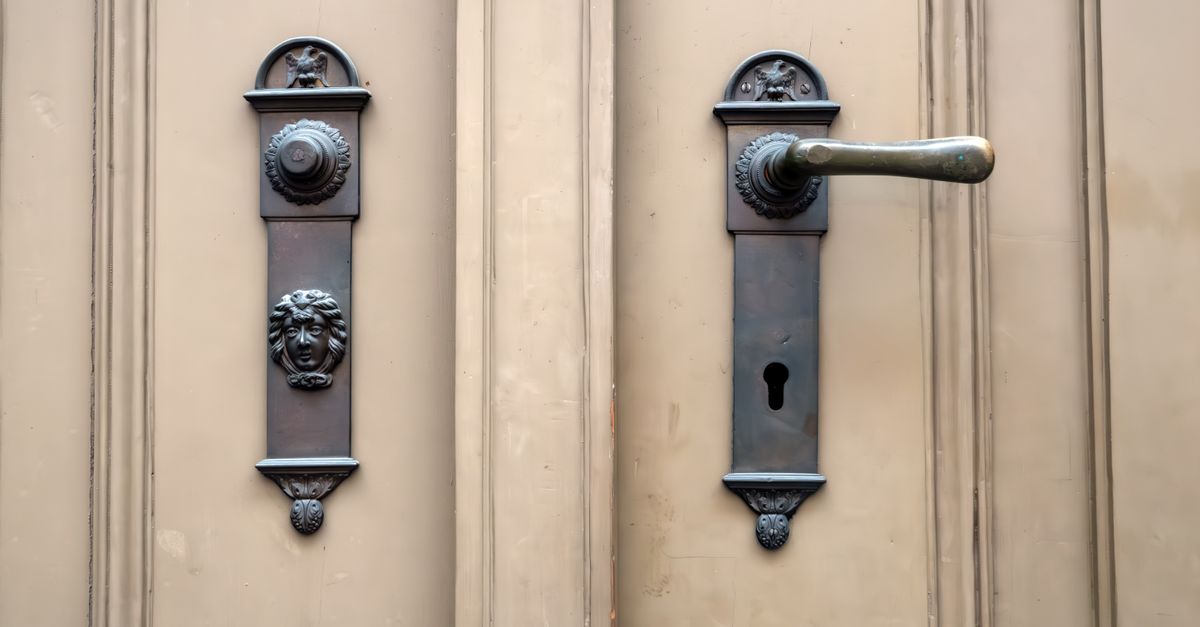
If you've ever swung open the front door of one of Sayreville's older colonials or ranches near Main Street or over in the Washington Road corridor and noticed a chunky rectangular lock plate in the middle of the door — not a standard knob set — you're looking at a mortise lock. These locks have been standard hardware on New Jersey homes built before the 1970s, and Sayreville is full of them. Homeowners often don't know what they have until a key breaks, the cylinder stops turning, or they go to sell the house and a buyer's inspector flags the lock as worn.
Understanding the difference between a mortise lock and a modern door knob lock matters because the repair path, the cost factors, and the security trade-offs are entirely different. This guide breaks down what each system is, why so many older Sayreville doors still carry them, and how to decide — with help from a professional locksmith — whether to repair or replace what you have.
## What Is a Mortise Lock, and Why Does It Look So Different?
A mortise lock is a complete locking mechanism housed inside a pocket — the "mortise" — that is chiseled directly into the edge of the door itself. The lock body is a rectangular metal cassette containing multiple moving parts: a spring latch, a deadbolt, a cylinder, and sometimes a privacy turn. The hardware you see on the face of the door — the knob or lever, the escutcheon plate, and the keyhole — are all connected to that single internal unit. This is very different from a tubular or cylindrical door knob lock, where the locking mechanism sits mostly inside the knob itself and uses a small hole bored through the door face. Because a mortise lock set is embedded deeply into the door stile and uses a full-length faceplate, it is structurally anchored in a way that a standard knob lock simply is not.
Mortise locks were the default residential hardware in the United States from roughly the late 1800s through the mid-20th century. When post-war housing developments expanded across Middlesex County — including the neighborhoods that grew up around Sayreville's industrial waterfront and the boroughs that border it — builders installed whatever was then considered quality hardware. For homes built in that era, that meant mortise locksets. The shift to cylindrical door knob with lock sets happened gradually as mass production made tubular hardware cheaper and easier to install in tract housing. Homes built after about 1970 almost universally got the simpler knob sets. That's the dividing line you'll see playing out on Sayreville streets today: older homes on the east side of town near Cheesequake Road or down toward the Raritan Bay waterfront tend to have mortise hardware; newer construction closer to Route 35 has standard knob locks.
## Mortise Lock vs. Door Knob Lock: A Practical Side-by-Side
The clearest way to understand the difference is to think about where the work is done. A cylindrical knob lock does its job with a small mechanism that sits within a 2-1/8-inch hole in the door face — quick to install, easy to replace, and available at any hardware store. A mortise lock, by contrast, requires a deep rectangular pocket in the door stile, a precise faceplate mortise on the door edge, and a strike box cut into the frame. It is a more involved installation, which is exactly why it delivers more door strength: there is far less wood removed from the most stress-prone part of the door when compared to the large bored hole needed for a cylindrical lock. When someone tries to kick in a door, a mortise setup distributes the force across a longer reinforced plate; a standard door knob with lock relies almost entirely on a short strike plate and a small bolt.
The practical trade-off is parts availability. Modern cylindrical knob locks from brands like Schlage or Kwikset are standardized — a qualified locksmith can source replacements quickly. Older mortise locksets, especially American-made units from the early to mid-1900s, vary enormously in their internal dimensions. A lock body made in 1952 may share no interchangeable parts with one made in 1968. This is the single most important thing a Sayreville homeowner with an older door needs to understand before deciding to "just replace the cylinder." The job may be straightforward, or it may require sourcing a specific replacement body or retrofitting the door for a modern mortise lock set — and only a hands-on inspection by an experienced locksmith will tell you which situation you're in.
## When to Repair Your Mortise Lock — and When Replacement Makes More Sense
Repair is almost always the right first conversation, not replacement. Mortise locks are repairable by design — they were built in an era when hardware was meant to last decades with occasional service. If your lock is stiff, if the latch doesn't spring back cleanly, or if the key turns but the bolt doesn't fully extend, the problem is often worn internal components, dried-out lubrication, or a shifted door alignment — none of which require a full replacement. A skilled locksmith can disassemble the lock body, replace worn springs or levers, re-key the cylinder, and have the lock operating smoothly in a single visit. For homeowners who want to preserve original hardware in a historic or older home, this is the preferred path and it keeps the door's structural integrity intact.
Replacement makes sense in three specific scenarios: the lock body is cracked or its casting is broken beyond repair; the door has been so compromised by moisture or forced entry that the mortise pocket itself is damaged; or the homeowner wants to upgrade to a modern high-security mortise lock set with current cylinder technology and anti-pick pins. In that case, a professional locksmith can assess whether the existing pocket dimensions accept a modern drop-in replacement or whether the door stile needs to be re-mortised. Either way, it is not a DIY project — an incorrectly sized mortise or improperly seated faceplate creates gaps that undermine the very strength that makes this lock type worthwhile. If you're unsure where you stand, the right move is a professional assessment. Call (732) 348-6137 and one of our mobile locksmiths can come directly to your Sayreville address, inspect the lock in place, and give you a straight answer before any work begins.
## What Does an Emergency Locksmith Do With a Mortise Lock During a Lockout?
A lockout on a door with a mortise lock is a different job than a lockout on a standard door knob lock, and any experienced emergency locksmith will approach it differently. With a cylindrical knob lock, a trained professional has several non-destructive techniques available based on the specific lock type and condition. A mortise lock lockout requires understanding the internal configuration — whether the unit has a privacy function, whether the deadbolt is thrown, and whether the cylinder is still functional. The goal is always to get you back inside with zero damage to the door or the lock body, preserving the hardware you have.
This is also why the question of how to pick a door knob lock comes up in lockout situations — homeowners sometimes wonder if they can handle it themselves. The honest answer: attempting to manipulate any lock without proper tools and training almost always causes internal damage that turns a simple service call into a full replacement job. More practically, verifying ownership is part of any legitimate locksmith's process. Our advice is always the same: check for an unlocked window, a back door, or a neighbor with a spare key first. If none of those options work, call a professional emergency locksmith. We're mobile and available around the clock — for Sayreville addresses, response time is typically fast because we're already working in Middlesex County.
## Can a Locksmith Open Any Lock — and What Factors Shape the Final Price?
A common question we hear, especially from homeowners dealing with unfamiliar hardware like an old mortise lock, is: can a locksmith open any lock? The answer from a practical standpoint is yes — trained locksmiths are equipped to work on virtually every residential, commercial, and automotive lock type, including antique and specialty hardware. The method varies by lock condition, age, and configuration, but the goal is always the same: restore access or function with the least possible disruption to the door and hardware.
On the question of cost — we never quote prices in the abstract, because what determines your final number is specific to your situation. Factors include the type and age of the lock (a standard knob lock versus a complex vintage mortise lock set involves different labor time), the time of day the call comes in, how far our mobile unit is traveling to your address, and whether parts need to be sourced. What we can promise is that we confirm an exact up-front price before any work starts — no surprises after the job is done. Whether you're calling about a routine lock repair on a Washington Road colonial or an after-hours lockout near the Sayreville War Memorial High School area, that process is the same. Reach us any time at (732) 348-6137 — we answer 24/7.
## Our Locksmith Services for Sayreville Homeowners and Beyond
Our mobile team handles a wide range of residential, commercial, and automotive lock and security needs across Sayreville and the surrounding Middlesex County area. Services include: mortise lock repair and restoration, mortise lock set replacement and installation, residential re-keying, cylindrical and tubular door knob lock installation, door knob with lock and key replacement, high-security deadbolt installation, lock cylinder replacement, master key system setup, smart lock and keypad lock installation, door hardware alignment and adjustment, broken key extraction, residential lockout service, commercial lockout service, commercial door lock installation, panic bar and exit device service, access control system support, automotive lockout service, car key duplication, transponder key programming, ignition lock cylinder service, key fob replacement and programming, mailbox and storage lock service, padlock and hasp installation, window lock and sash lock service, and safe lockout and combination change service. Whether the job is a single re-key on an older mortise lockset or a full hardware upgrade across multiple doors, we carry the tools and parts to handle it in one trip.
Frequently asked questions
What is a mortise lock and how do I know if my Sayreville home has one?+
A mortise lock is a locking mechanism embedded inside a rectangular pocket cut into the edge of the door — not mounted through a round bored hole like a standard knob lock. You can identify it by looking at your door edge: a mortise lock will have a tall, narrow faceplate (usually 7 to 8 inches long) recessed flush with the wood, and the interior face of the door will have a long decorative escutcheon plate rather than a simple round rose. Homes in Sayreville built before roughly 1970 — especially those in older residential blocks near Main Street, Jernee Mill Road, and the waterfront neighborhoods — are strong candidates for mortise hardware. If you're unsure, a quick call to our team at (732) 348-6137 and a description of what you see on your door edge will usually confirm it.
Is it better to repair or replace an old mortise lock set?+
In most cases, repair is worth attempting first. Mortise locks were engineered for longevity, and many components — springs, levers, and cylinders — can be replaced individually without touching the door. Repair preserves the structural mortise pocket in the door stile, which is a significant advantage. Replacement becomes necessary when the lock body's casting is cracked, when the door itself is damaged around the pocket, or when you want to upgrade to a modern high-security mortise lock set with current anti-pick cylinder technology. A hands-on inspection is the only way to give you a reliable answer because mortise lock dimensions varied widely across manufacturers and decades. We can assess your specific lock on-site and walk you through your options before any work begins.
Can a locksmith open any lock, including an old mortise lock?+
Yes. Experienced locksmiths are trained to work with virtually every lock type, including antique and specialty hardware like vintage residential mortise locks. The specific approach depends on the lock's condition, whether the cylinder is functional, and whether the deadbolt is engaged — but the objective is always non-destructive entry that leaves your door and hardware intact. Older mortise locks can present unique internal configurations, which is exactly why calling a locksmith who is familiar with this hardware matters. Our team handles these calls regularly across Sayreville and Middlesex County.
What factors determine what I'll pay for mortise lock service?+
Several specific factors shape the final price: the type and complexity of the lock (a vintage mortise lock set takes more labor time than a standard knob lock), whether the job requires sourcing specialty parts for an older unit, the time of day the service is requested, and the travel distance to your location. We never use a one-size-fits-all rate card because no two lock jobs are identical. What we do guarantee is that you'll receive a confirmed, exact price before we begin any work — no charges added after the fact. To get a real answer for your specific situation, call us at (732) 348-6137 any time, day or night.