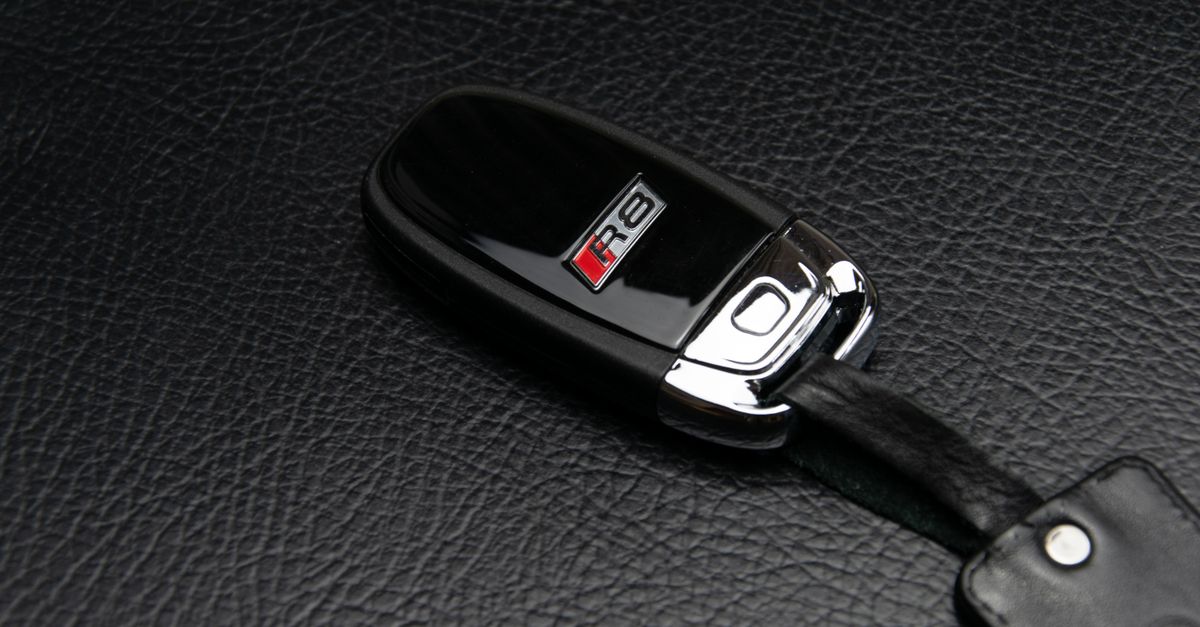
How Audi Key Technology Works — and Why It Matters for Replacement
Modern Audi vehicles use several layers of electronic security that make key replacement far more involved than it was for older cars. Entry-level models from the late 1990s and early 2000s used basic transponder keys with a fixed code chip embedded in the plastic head. Cut the blade to spec, program the chip, and the immobilizer recognizes it. More recent Audi models — especially those with Audi Advanced Key or keyless-entry convenience — use proximity smart keys that broadcast a rolling encrypted signal. The car must detect this signal before it will allow the push-button start to function. Losing one of these keys, or having the internal battery swell and damage the fob housing, requires both a new physical key shell and a fresh programming session tied to your vehicle's VIN.
There are also switchblade-style flip keys common across the A3, A4, and Q3 lineup, where a folding metal blade clicks out of an electronic fob body. The blade itself can be cut independently, but the fob must still be paired to your Audi's central locking and immobilizer modules. Because each key type demands a different approach, the first thing our technicians do on arrival is identify your exact Audi model, year, and key type. That diagnostic step ensures you receive the right key blank, the right cut profile, and the correct programming protocol the first time.