Sayreville Locksmith Service Team
Local locksmith team
Jun 26, 2026 10 min read
Moving into a new place in Sayreville — whether it's a colonial off Washington Road, a townhouse near Cheesequake State Park, or an apartment close to the Route 9 corridor — is exciting. But before you unpack a single box, there's one task that belongs at the very top of your to-do list: changing who has access to your home. You have no way of knowing how many copies of your keys the previous owner, their contractor, their dog-walker, or their former tenant made. Rekeying your locks is the fastest, most cost-effective way to close that gap and start fresh.
This checklist walks you through every door, mailbox, and entry point you should address after moving into a Sayreville-area home or apartment — plus what to ask a locksmith, what to expect from the process, and how to spot the locks that need more than a simple rekey. Keep it handy on moving day.
## Why Lock Rekeying Beats Changing Every Lock (and When It Doesn't)
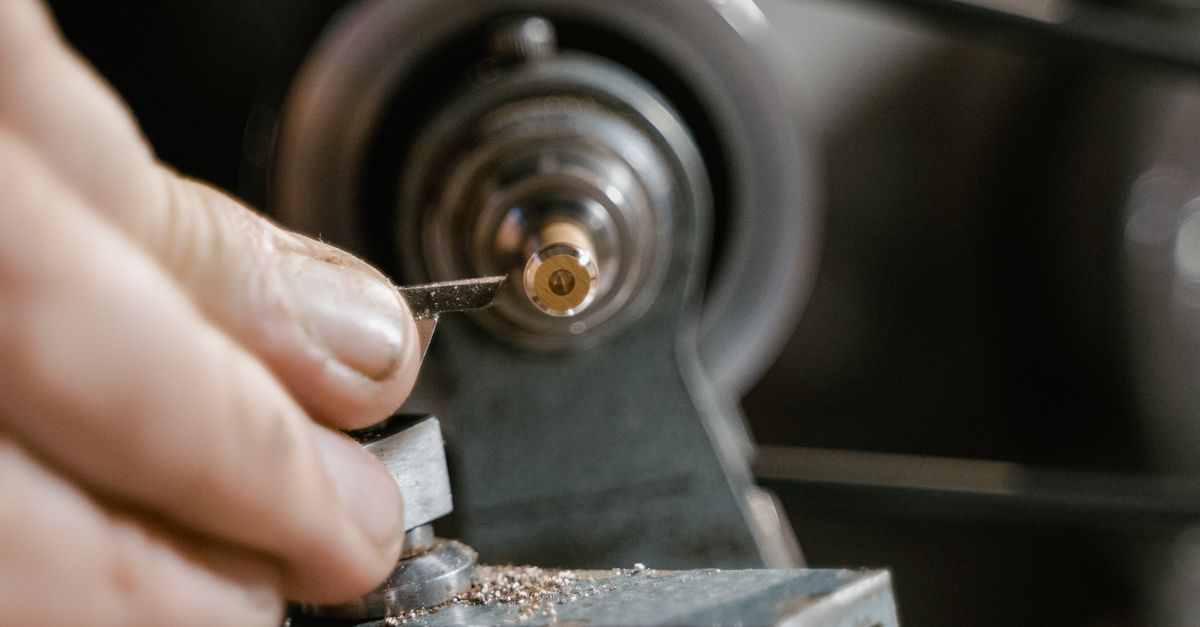
A lock rekey means a trained locksmith disassembles your existing lock cylinder and replaces the internal pins so that only your new key operates it. The hardware stays on the door; only the combination inside changes. This is almost always faster and less involved than a full lock replacement — and it delivers the same security result when the lock itself is in good shape. If you've just moved in, rekeying is usually the right first call because the deadbolts and knobs already installed are often perfectly serviceable; they just need to forget every key that ever turned them.
That said, rekeying is not always the answer. If your deadbolt is damaged, if you've inherited a worn-out door knob lock with a wobbly cylinder, or if a previous tenant forced the lock at some point, replacement is smarter than rekeying a compromised mechanism. The same logic applies to older mortise locks — a full mortise lock service or swap may be warranted if the lock body inside the door edge shows rust, a cracked faceplate, or sluggish bolt travel. A skilled locksmith can spot these issues the moment they inspect the door and will tell you honestly which route makes sense before any work begins.
## Your Room-by-Room Lock Rekey Checklist for Moving Day
Work through this list systematically. Front entry door: this is your priority — rekey the deadbolt and the door knob lock or lever handle separately, because they often use different key bibles even when they look matched. Back door and side door: easy to forget in the moving-day chaos, but just as critical. Attached garage entry door: often overlooked and frequently the least-secure door in the house — rekey or replace the lock and check that the door itself is solid-core. Sliding glass door: confirm the latch mechanism and any secondary pin or bar lock are functional; a locksmith can add a secondary keyed lock if the existing hardware is inadequate. Interior doors with keyed locks: home offices, medication storage rooms, or any room where you want an extra layer of access control. Mailbox: USPS cluster mailboxes in Sayreville apartment complexes use a standard lock cylinder — a locksmith can rekey or replace it so you're the only one retrieving your mail. Detached garage or shed: if it came with the property, it likely shares keys with the previous owner's set. Storage unit in the building: if you rent a basement or hallway storage cage, confirm with your landlord whether the lock needs to be changed and who holds copies. Gate or fence lock: especially relevant for properties along the older neighborhoods near Main Street where detached rear yards with fenced gates are common.
As you work through the list, group the locks by key type. Many homes are keyed alike — meaning one key opens every exterior door — and a locksmith can rekey all your cylinders to match a single new key during the same visit. That's a worthwhile upgrade if the existing locks are not currently keyed alike, because fumbling with multiple keys every time you come home gets old fast.
## Mortise Lock and High-Security Hardware: What Sayreville Homeowners Should Know
Older homes in Sayreville — particularly the bungalows and two-family houses built in the mid-twentieth century near Main Street and the Raritan River waterfront — often feature mortise locks rather than the cylindrical deadbolts common in newer construction. A mortise lock is a large, rectangular lock body that sits inside a pocket (the mortise) cut into the door edge. It typically combines a latch, a deadbolt, and sometimes a night latch into a single unit, and it uses a different cylinder format than a standard Schlage or Kwikset deadbolt. Not every locksmith carries the parts to service them correctly, so make sure the team you call has hands-on experience with mortise lock hardware specifically.
If your new home has mortise locks, have a professional inspect each one before deciding between rekeying and replacement. Well-maintained mortise locks are extremely durable and actually offer excellent security — the large bolt throw and robust metal body make them hard to defeat. But worn internal components, a cracked case, or a stripped spindle mean the lock needs more than a pin swap. Our team services, rekeys, and replaces mortise locks regularly across the Sayreville area, and we carry common cylinder sizes so we can handle the job in a single visit. If you're unsure what type of lock you have, send us a photo when you call — we can advise before we even arrive.
## Emergency Locksmith Situations and What Landlords Are (and Aren't) Required to Do
If you're renting a Sayreville apartment and you move in to find that the previous tenant's keys were never collected, you are entitled to request a lock change from your landlord — New Jersey tenant law gives you this right in most situations. If your landlord is slow to act, you can arrange the rekey yourself and present the bill. Either way, don't wait. A rekeyed lock is not a luxury; it's a baseline safety measure. If you need it done the same day you pick up the keys — or if you arrive and discover a lock that won't turn at all — that's exactly the kind of situation our emergency locksmith response is built for. We're mobile, so there's no waiting for a shop to open; we come to your address, day or night.
Emergency locksmith calls can happen at any hour on moving day: a key breaks in a cylinder after a long day of hauling boxes, a moving crew accidentally locks a door from the inside, or you realize at midnight that you never tested the back door lock. For situations like these, we answer 24/7 — call (732) 348-6137 and we'll dispatch a technician to your Sayreville address. Before any work starts, we confirm the exact price so there are no surprises on an already stressful day. The factors that shape the quote include the type of lock (mortise lock, cylindrical deadbolt, door knob lock, mailbox cylinder), the number of locks being serviced, the time of day, and travel distance to your address.
## Don't Forget Garage Door Codes and Smart Lock Pairing
A full move-in security reset goes beyond physical cylinders. If the home has a garage door opener, reset the rolling code on the opener unit itself and program new remotes — the manual that came with the opener will walk you through it, and if the manual is gone, the brand is usually printed on the motor head and the instructions are easy to find on the manufacturer's site. Delete any keypads that use a fixed code and set a new one that only your household knows. If the previous owner paired a smart phone to the system, a full factory reset on the opener is the safest approach.
Smart locks deserve the same treatment. If a Schlage Encode, a Kwikset Halo, or any other app-connected lock is already installed on the door, perform a factory reset before you add your own credentials. Check whether the lock's activity log shows any paired devices you don't recognize, then clear them all. If you'd prefer to step back to a traditional keyed deadbolt — or if you'd like a locksmith to install a new smart lock with a fresh, verified setup — we handle both. And if you want your smart lock rekeyed so the physical key backup also changes, that's part of our standard lock rekeying service.
Frequently asked questions
How do you rekey a lock, and can I do it myself?+
Rekeying a lock means replacing the driver pins and key pins inside the cylinder so that only a new key operates it. Doing it yourself requires a plug-following tool, a pinning tray, a set of replacement pins in the correct size for your lock brand, and a fair amount of patience — getting the pin stack wrong by even one pin will either leave the cylinder frozen or allow it to turn with almost any key. For a single lock on a lazy afternoon, a determined DIYer can manage it. For five or six locks on moving day, when every cylinder may use a different pin size and some may be mortise lock cylinders that require additional disassembly steps, a professional visit is almost always faster and less frustrating. A trained locksmith can also spot worn or damaged components that would make rekeying pointless.
What does an emergency locksmith cost for a move-in rekey?+
There's no single flat answer, because the final price depends on several factors: the number and type of locks being serviced (a mortise lock takes more time than a standard deadbolt), whether parts like new cylinders or pins need to be sourced, the time of day, and the travel distance to your Sayreville address. What we can promise is that we confirm an exact price before any work begins — you'll know the full quote and can approve it before we touch a single lock. There are no hidden charges after the job is done.
Can a locksmith open any lock if I'm locked out on moving day?+
An experienced locksmith can open the vast majority of residential locks through legitimate, non-destructive methods — picking, impressioning, or decoding the cylinder — without damaging the door or the hardware. There are high-security locks with anti-pick pins and sidebars that require specialized tools, and some locks in very poor condition may need to be drilled as a last resort (with the cylinder replaced afterward). What a professional will always do first is verify that you have the right to access the property — expect to show a photo ID and proof of address such as a lease, closing documents, or a utility bill in your name. This verification step protects you as much as it protects the property.
Is there a 24-hour locksmith in the Sayreville area?+
Yes — Sayreville Locksmith operates 24 hours a day, seven days a week, including weekends and holidays. We're a mobile operation, which means we come to your location anywhere in the Sayreville area rather than asking you to visit a shop. Whether you need a lock rekey at 7 a.m. on closing day or an emergency locksmith call at 2 a.m. after losing your keys, you can reach us at (732) 348-6137 and a trained technician will be dispatched to your address.