How Car Key Replacement Works: Cut, Program, and Verify
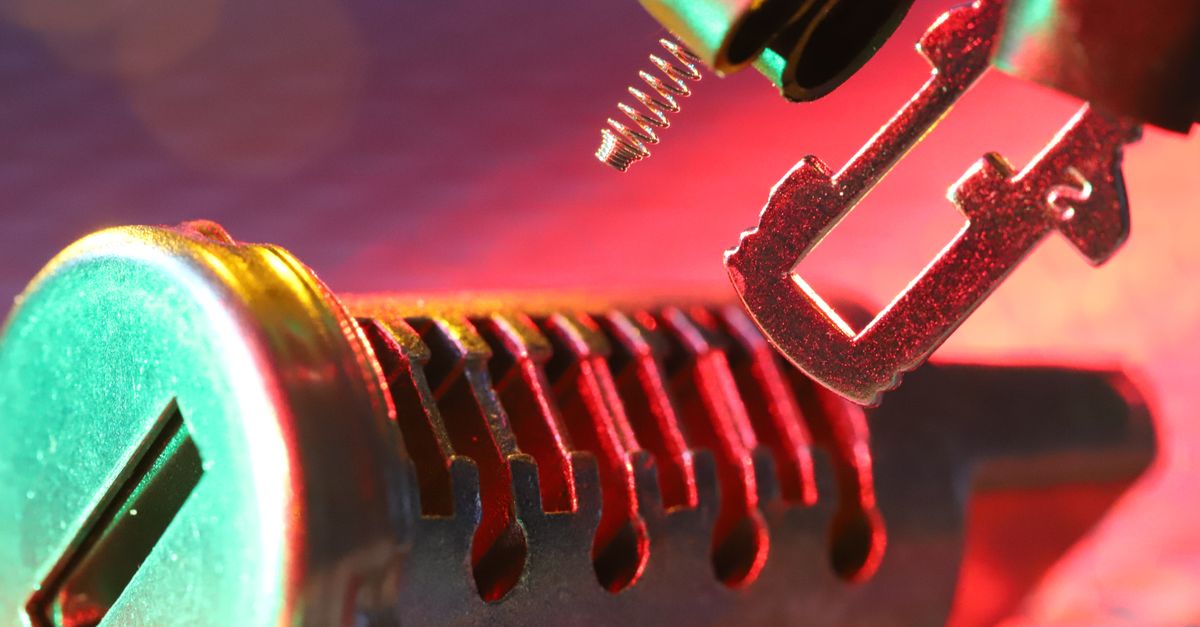
Replacing a modern vehicle key is a two-step process: the physical blade must be cut to the exact bitting specification for your door and ignition, and then the electronic component — whether a transponder chip, a smart key, or a proximity fob — must be programmed to communicate with your vehicle's immobilizer or body control module. Skip either step and the key will not work. Our technicians use OEM-grade diagnostic and programming tools to handle both steps on-site, right where your vehicle is parked. We verify door unlock, ignition start, and remote functions before we pack up and leave.
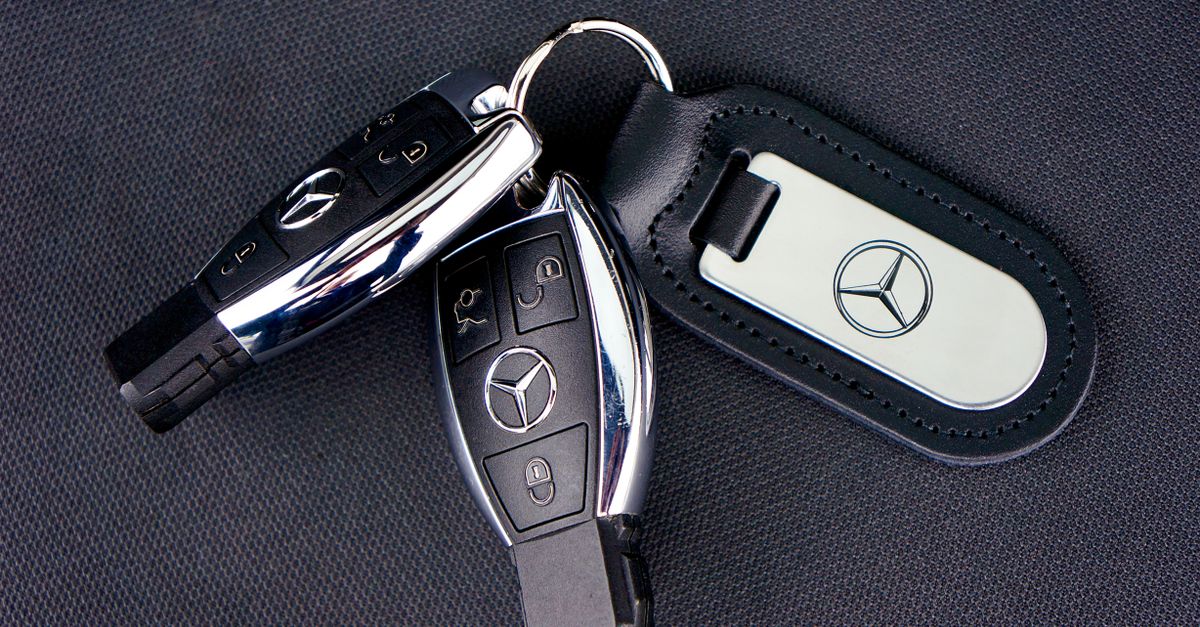
The process differs meaningfully by vehicle make and model. A basic transponder key for an older Honda Civic requires a different cut profile and chip protocol than a proximity smart key for a Ford F-150, a push-to-start fob for a Toyota Camry, or a laser-cut high-security blade for a BMW or Mercedes-Benz. Luxury European vehicles and newer trucks often use rolling-code systems that require live dealer-level programming access. We come prepared for that complexity so you are not caught between a tow truck bill and a multi-day dealership appointment.